Silk, Honestly: When the Fabric Is Worth It and How to Buy and Keep It
Silk carries the biggest fabric mystique and the widest quality range — the whisper-thin polyester impostors, the substantial charmeuse worth years — and buying it well requires literacy plus care-courage. The silk-investment guide.

The Value Case
What silk actually delivers: the drape signature (the fluid fall no synthetic fully fakes — the movement-and-light behavior per the fabric logic; the golden-hour performance from the rooftop logic), the temperature intelligence (the silk’s warm-in-cold, cool-in-heat paradox — the year-round wearability), the skin-and-hair benefits (the friction gentleness — the silk-pillowcase logic worn), the elevation power (the silk top lifting every outfit per the high-low logic — the texture luxury per the texture logic), and the honest limits (the delicacy being real — the care commitment priced in; the silk-for-everything being wrong: the placement where drape-and-sheen matter per the placement logic).
The Buying Literacy
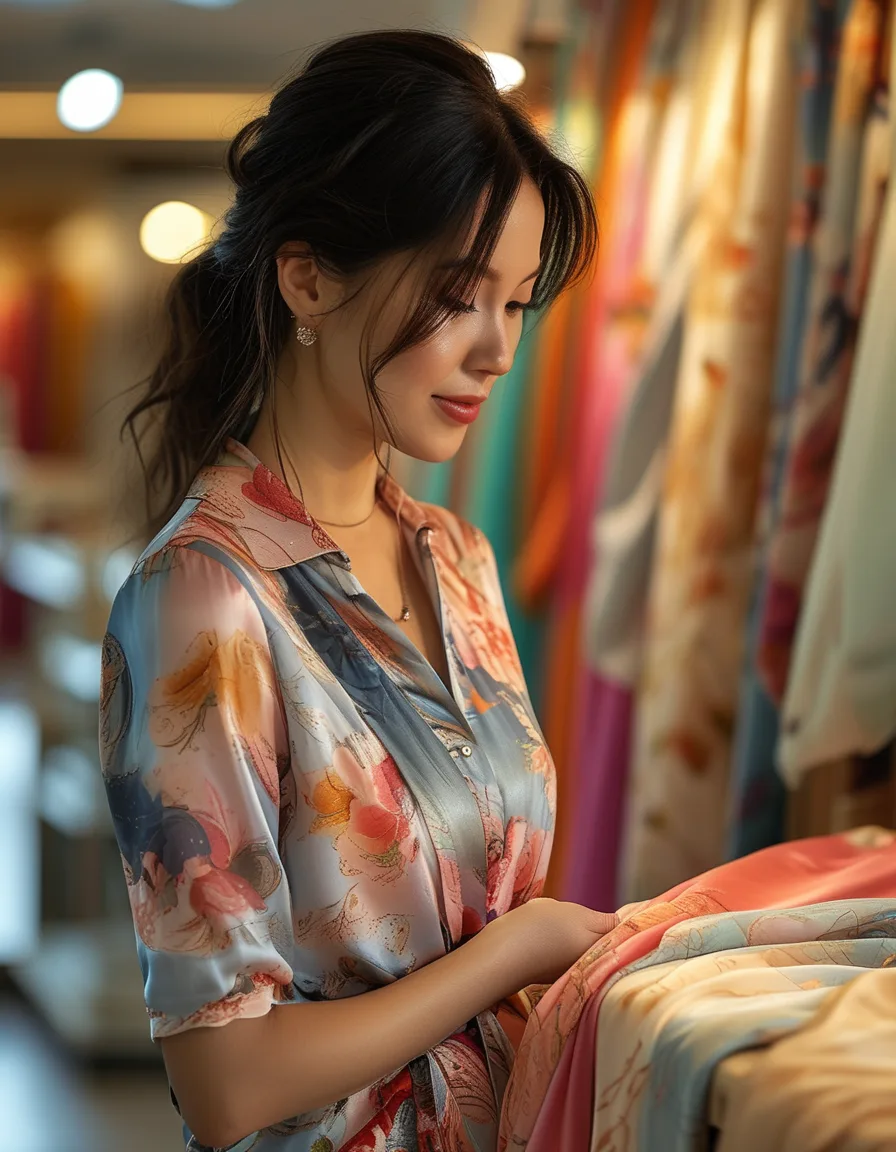
Reading silk: the momme literacy (the silk weight measured in momme — the 16-22 range for blouses being substantial; the whisper-thin low-momme reading cheap and wearing worse; the weight being the quality shorthand), the weave vocabulary (the charmeuse sheen, the crepe-de-chine matte workhorse, the habotai lightness, the satin-versus-silk-satin distinction — the weave setting the register), the real-versus-poly tests (the hand’s warmth response — the sheen quality: the silk’s soft luster versus polyester’s plastic shine; the burn-test folklore left at home, the label read per the label logic), the construction checks (the French seams and finished edges — the quality tells per the quality logic), the price honesty (the real-silk price floors — the sale-and-secondhand routes; the silk-blend legitimacy tier per the budget logic), and the vintage goldmine (the secondhand silk scarves-and-blouses per the thrift logic — the quality eras).
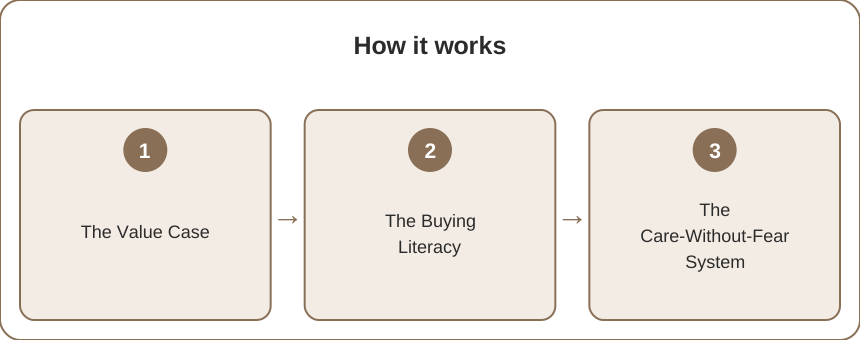
The Care-Without-Fear System
Keeping silk alive: the wash truth (the most silk being hand-washable despite the labels — the cool-water, silk-or-gentle-detergent method; the dry-clean-only being often liability language; the test-inside-seam caution), the technique (the no-wring rule — the towel-roll water removal; the shade-dry flat-or-hung; the iron-inside-out-damp craft), the sweat-and-perfume management (the silk’s stain sensitivities — the perfume-before-dressing rule per the scent logic; the underarm-shield option for the invested), the storage rules (the breathable hanging — the moth defense per the storage logic; the sun-fade awareness), the wear courage (the silk WORN, not saved — the saved-for-best fallacy per the use-it logic; the care being simpler than feared being the whole point), and the closing frame (the fabric bought by momme, washed by hand, worn without fear — the drape earned, the mystique demystified; the silk, invested and used). Sixteen-plus momme, hand-wash cool, wear it now: the silk, decoded.
Buy silk by momme — 16-22 for blouses is substantial; whisper-thin reads cheap and wears worse — and learn the weaves: charmeuse for sheen, crepe-de-chine as the matte workhorse. Then lose the fear: most silk hand-washes cool despite the labels, towel-roll never wring, iron inside-out damp, perfume before dressing — and wear it now; saved-for-best is the only real way to waste it.
Keep Reading
This article is for general styling and informational purposes only. Trends, sizing, availability and pricing may vary by brand and season.